Autumnal Daisy Flower Embroidery Design
A Designer’s First Look: Warm, Whimsical, and Wonderfully Gift-Ready
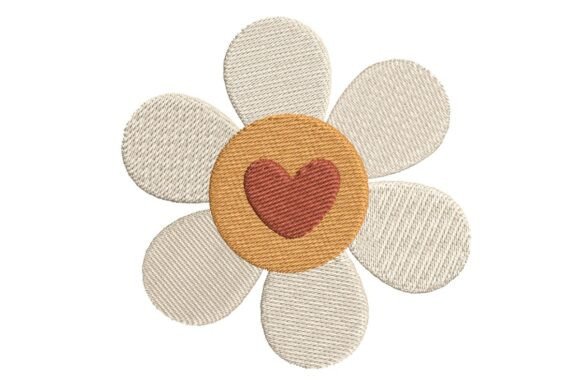
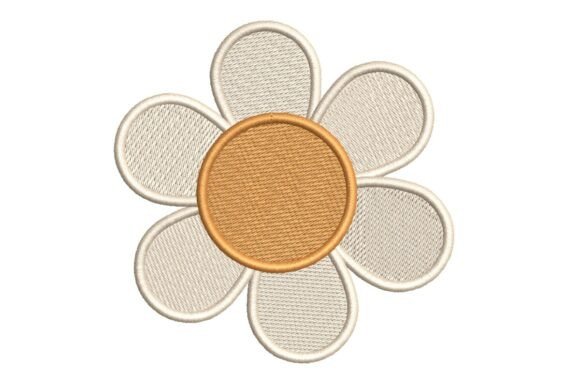
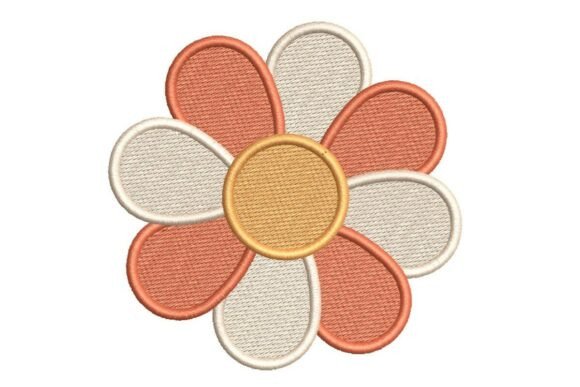
As an embroidery designer who’s tested hundreds of digital embroidery files for personalized gift shops and Etsy sellers, the Autumnal Daisy Flower Embroidery Design immediately stood out—not with flash or complexity, but with quiet intention. It’s a single-flower design that feels both timeless and seasonally grounded: eight textured petals alternate between golden-orange and reddish tones, evoking late September light, harvest warmth, and gentle transition. There’s no clutter—no stems, no leaves, no extra flourishes—just a centered, balanced bloom that reads as sweet *and* sophisticated. It doesn’t shout “fall”; it whispers “cozy memory.” That subtlety is gold for handmade product creators who value emotional resonance over trend-chasing.
Where This Design Truly Shines: Real-World Personalized Gift Uses
The Autumnal Daisy Flower Embroidery Design is exceptionally versatile across high-demand personalized categories. For baby embroidery, it’s ideal on organic cotton blankets, muslin swaddles, or linen nursery pillow covers—its soft shape and warm palette feel nurturing without being cutesy. As a wedding gift, it elevates hand-stitched linen napkins, monogrammed towel sets, or framed keepsake hoops displayed beside guest books. Small shop owners love it for custom tote bags (especially natural canvas or oat linen), where its centered composition anchors the design without overwhelming the fabric.
It also works beautifully on embroidered towels—think kitchen linens for hostess gifts or spa-style bath sets—because the petal texture reads clearly even at 3–4 inches wide. For craft fairs and Etsy listings, this design pairs effortlessly with neutral backgrounds and minimalist branding: a single daisy on a cream apron says “thoughtful maker,” not “mass-produced.” And because it’s part of the Single Flowers category, it’s easy to bundle with coordinating designs (like a simple leaf or tiny acorn) for tiered digital embroidery file offerings.
Smart Placement & Thoughtful Limits: Where to Use It—and Where to Pause
This isn’t a one-size-fits-all machine embroidery design—and that’s a strength, not a flaw. Its textured petals rely on stitch direction and density to read well, so avoid placing it on highly stretchy baby onesies or curved surfaces like mug cozies unless you’ve tested stabilization thoroughly. Thick terry cloth towels? Yes—but use cutaway stabilizer and reduce stitch density slightly to prevent puckering. Dark fabric? Absolutely—just confirm your golden-orange and reddish thread colors have enough contrast (a quick printable mockup helps here). And while the design feels delicate, it’s not fragile: it holds up well on medium-weight linen, quilting cotton, and twill.
Crucially, don’t try to shrink it below 2.5 inches wide. The alternating petal detail starts to blur, and the “textured” effect flattens. Likewise, avoid pairing it with tiny script lettering directly beneath—the visual weight belongs to the flower alone. Let it breathe.
Why Customers Connect—and Why Sellers Should Trust It
Gift buyers don’t just buy thread and fabric; they buy meaning. The Autumnal Daisy Flower Embroidery Design taps into nostalgia, seasonal comfort, and quiet celebration—making it perfect for milestone moments: baby’s first fall, a rustic-chic wedding, or a “just because” gesture for someone who loves slow living. That emotional hook translates directly to perceived value: a $28 embroidered pillow cover with this design feels more special than one with a generic floral motif. It signals care in curation, not just execution.
For Etsy sellers and small shop owners, that perception builds trust. When customers see consistent, refined embroidery like this across your listings—whether on a blanket, towel, or tote—they begin to associate your brand with quality handmade product standards. It also photographs beautifully: the warm tones pop against natural backdrops, and the clean shape ensures sharp product photography even on mobile. Engagement rises when buyers can imagine it *in their home*, on *their child*, or gifted to *someone meaningful*.
Practical Embroidery Notes Every Maker Should Follow
- Always test on scrap fabric first—especially if using textured linen or terry cloth. Note how the petals lay and whether stabilizer shows through.
- Check thread color contrast on both light and dark fabric. Golden-orange thread may mute on beige; reddish thread can bleed on deep burgundy—adjust accordingly.
- Confirm hoop size compatibility. While not specified in the description, most single-flower designs of this scale fit standard 4x4 or 5x7 hoops. Measure before digitizing for multi-position layouts.
- Review stitch density. High density adds richness but increases wear on fine fabrics. For baby embroidery or frequently washed items, consider a lighter fill version if your software allows.
- Use appropriate stabilizer: cutaway for knits and terry, tear-away for stable wovens, and lightweight fusible for sheer layers like voile.
- Compare light/dark fabric mockups side-by-side before listing. A digital embroidery file should look intentional—not accidental—on every base.
- Inspect small details after stitching: ensure petal edges are crisp and no threads nest in the center. Trimming stray loops matters for finished product polish.
- Verify commercial licensing before selling finished products. Since this is marketed as a machine embroidery design for personalized gift use, confirm it permits small-batch commercial embroidery—not just personal projects.
Final Thought: A Design That Grows With Your Shop
The Autumnal Daisy Flower Embroidery Design isn’t just another digital embroidery file—it’s a quietly confident signature piece. It bridges seasons, audiences, and product types without shouting. For baby product creators, it adds tenderness. For wedding gift designers, it offers understated elegance. For Etsy sellers and craft fair vendors, it’s a reliable bestseller that photographs well, stitches cleanly, and invites repeat customers. In a crowded handmade market, that kind of consistency—and charm—is rare. Treat it with thoughtful testing, respect its limits, and let its warmth do the rest.