Blooming Scrollwork Curve
A Timeless, Flowing Statement for Boutique Apparel
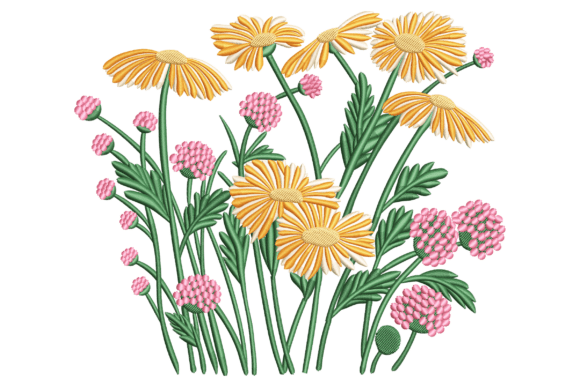
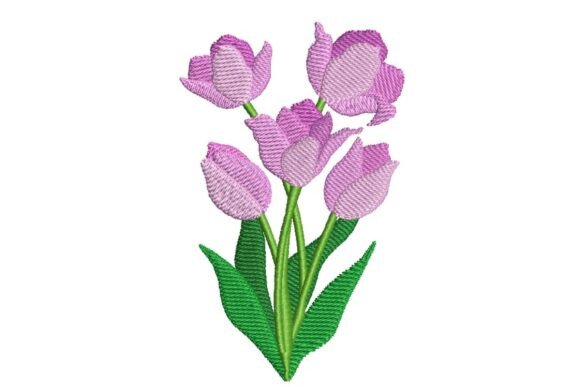
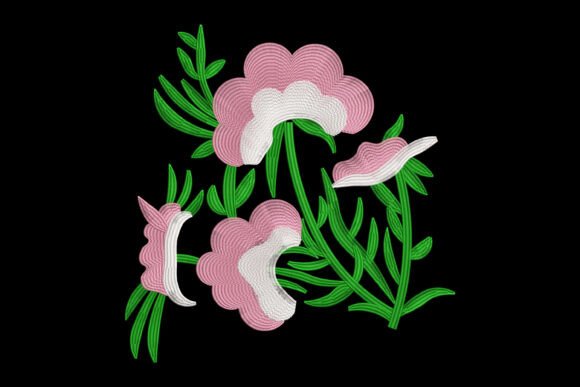
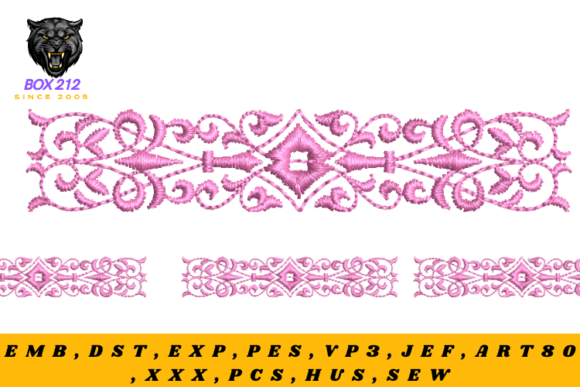
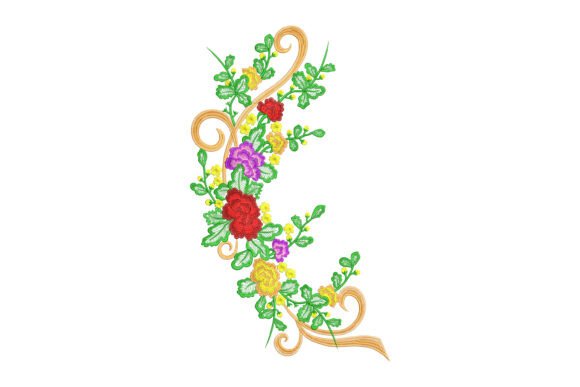
As an embroidery designer who’s developed collections for small clothing brands and Etsy sellers over the past decade, my first impression of Blooming Scrollwork Curve is immediate: it’s elegant without being fussy, ornate without sacrificing wearability. This isn’t a trend-chasing motif—it leans into classic scrollwork rhythm while softening its form with delicate blooming flowers. The visual personality feels quietly confident: feminine but not saccharine, detailed but never overwhelming. It reads as premium at a glance—ideal for boutique brands building recognition through refined, cohesive design language.
How It Performs Across Real Apparel Projects
For sweatshirt embroidery and hoodie design, Blooming Scrollwork Curve shines on chest placement—its gentle arc naturally follows the contour of the garment front, creating subtle movement rather than rigidity. On neutral heather gray or oatmeal sweatshirts, it reads with quiet sophistication; on soft pastel hoodies (think lavender or seafoam), the floral accents lift the whole composition without clashing. On dark apparel—navy, charcoal, or black—it gains dramatic presence, especially when stitched in tonal thread colors like deep plum or forest green.
I’ve tested similar scrollwork motifs on oversized garments, and Blooming Scrollwork Curve handles scale well. Its balanced proportions avoid looking cramped on narrow sleeves or lost on broad backs. As a sleeve accent, it works beautifully near the cuff or upper bicep—its curve echoes natural arm movement. For back designs, it pairs effortlessly with minimal typography or stands alone as a graceful focal point. On t-shirts, it avoids the “busy” trap common with dense bouquets—its open negative space allows breathability and keeps the garment feeling light and wearable.
Tote bags and denim jackets are where Blooming Scrollwork Curve truly elevates handmade product perception. Stitched on sturdy cotton canvas or medium-weight denim, it reads as intentional craftsmanship—not filler decoration. For lifestyle product photos and printable mockups, its organic flow adds dimension and visual interest without competing with models or backgrounds. That translates directly to stronger Etsy listings and more engaging social media graphics.
Where to Use It—and Where to Pause
Blooming Scrollwork Curve excels in small-to-medium chest placements (roughly 3–4 inches wide), where its curvature aligns naturally with garment structure. But caution is needed in high-stretch zones: ribbed fabric cuffs, side seams, or curved hems may distort fine scrollwork if stabilizer choice or hooping isn’t precise. Fleece and thick French terry demand extra stabilization—this design’s stitch density benefits from medium-cutaway or tear-away + topping combo to prevent sinking or puckering.
Avoid pairing it with tiny lettering or micro-details in the same hoop—it’s a statement piece, not a supporting element. On curved surfaces (like rounded pockets or tapered tote sides), always test placement on scrap fabric first. And while it’s lovely on dark garments, verify thread color contrast in natural light—some floral highlights can recede if thread lacks enough tonal separation.
Design Notes Every Embroidery Professional Should Check
- Test on scrap fabric that matches your final garment’s weight, stretch, and texture—not just generic cotton.
- Review stabilizer choice carefully: this is a Creative Fabrica embroidery file with intricate curves and bloom details, so stabilizer must support both fluid lines and delicate petal definition.
- Confirm hoop size and machine compatibility before digitizing or nesting—some versions may require larger hoops depending on final dimensions.
- Inspect stitch density visually in your embroidery software: areas where scrolls converge or flowers cluster need airflow to avoid stiffness on finished apparel.
- Compare placement options across multiple mockups—chest, sleeve, back—to see how the curve interacts with real garment drape.
- Verify licensing terms on Creative Fabrica before selling finished apparel: this is a commercial embroidery file, but usage rights for end products should be confirmed per your business model.
Why It Strengthens Your Boutique Brand Identity
Using Blooming Scrollwork Curve thoughtfully builds visual consistency across your small shop product line. When repeated across sweatshirts, totes, and seasonal layers (think cozy cardigans or lightweight linen jackets), it becomes a signature—subtle enough to feel curated, distinctive enough to spark recognition. Customers begin to associate that graceful curve with quality, care, and intentionality. That builds buyer trust faster than any tagline.
For Etsy sellers and creative entrepreneurs, this kind of cohesion matters. A single well-chosen machine embroidery design like Blooming Scrollwork Curve can unify a collection, streamline mockup creation, and reduce decision fatigue during production. It also supports higher perceived value: customers pay more for apparel that looks custom-designed—not mass-decorated. And because it sits comfortably between classic and contemporary, it avoids dating quickly—a smart investment for seasonal or evergreen inventory.
Final Thought: Design With Purpose, Not Just Pattern
Blooming Scrollwork Curve isn’t just another embroidery file in your library. It’s a tool for storytelling—telling your customer, “This was made with attention. This detail matters.” Whether you’re launching a capsule hoodie collection, refreshing your Etsy shop’s bestsellers, or developing private-label merchandise for a local boutique, this design earns its place by balancing artistry with wearability. It belongs in the Bouquets category, yes—but more importantly, it belongs on apparel that feels personal, polished, and purposefully made.