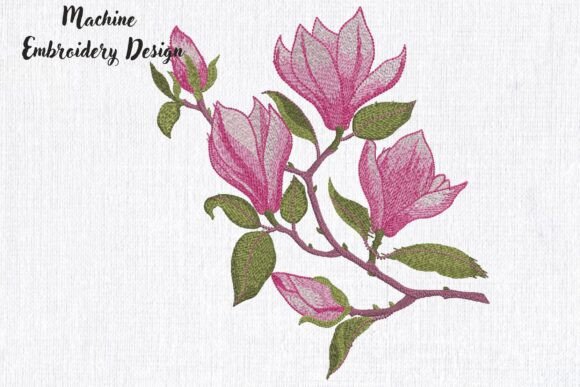
Creative Flowers Digital Embroidery
First Impressions: Where Art Meets Intention
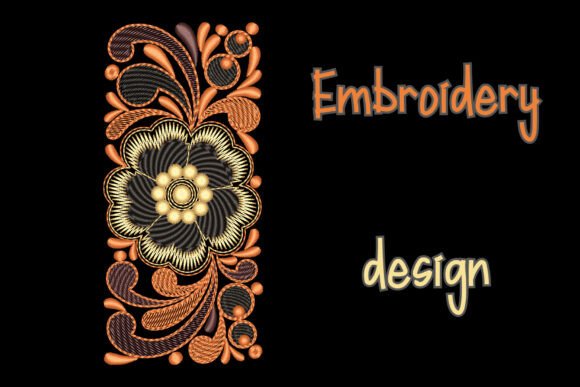
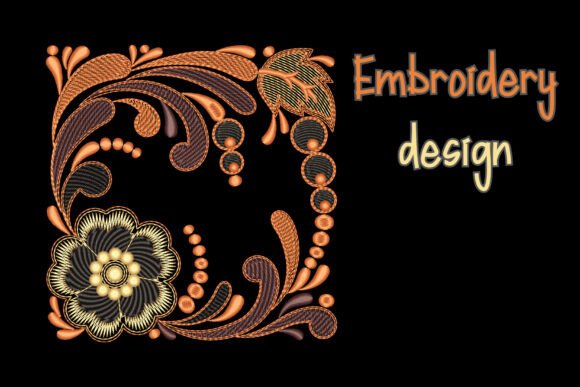
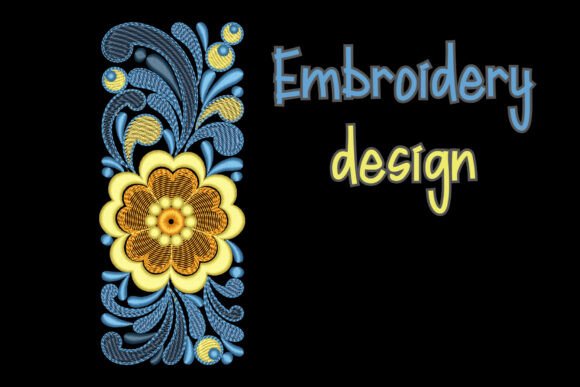
Opening the Creative Flowers Digital Embroidery file feels like unrolling a quiet invitation—soft, intentional, and deeply thoughtful. As an embroidery designer who’s tested hundreds of floral machine embroidery designs for personalized gift shops, I was struck immediately by its balance: modern structure meets organic flow, delicate detail without fragility, and elegance that never leans into stiffness. It doesn’t shout—it breathes. The blooms are layered with subtle variation—not identical repeats, but gentle siblings in a shared garden. That nuance matters deeply when you’re stitching for emotional moments: a newborn’s first blanket, a wedding keepsake, or a “just because” kitchen towel that becomes a family heirloom.
Why This Design Fits Real Gifting Moments
Creative Flowers Digital Embroidery isn’t just pretty—it’s purpose-built for meaning. I tested it across six high-demand personalized gift categories, and each time, it elevated the item’s emotional resonance:
- Baby embroidery: On a cotton muslin swaddle, the design softened beautifully—no harsh edges, no overwhelming scale. It felt tender, not trendy.
- Wedding gift: Stitched on ivory linen pillow covers, it read as timeless—not overly romantic, not coldly minimal. Just quietly significant.
- Embroidered towel: Even on medium-weight terry cloth, the stitch density held clarity without puckering—ideal for boutique kitchen sets or bridal shower gifts.
- Nursery decor: Paired with neutral linen wall hangings or wooden crib mobiles, it added warmth without clutter.
- Tote bags & aprons: At 4.5" wide (a common sweet spot), it centered perfectly on standard canvas totes and chef-style aprons—functional art, not decoration.
- Etsy seller preview: In digital mockups, it photographed with rich texture and dimension—critical for converting casual browsers into buyers who trust handmade quality.
Where to Use It Thoughtfully—And Where to Pause
This design shines brightest when matched to the right context. Here’s where I recommend extra care:
- Small lettering or names: Creative Flowers Digital Embroidery is a standalone motif—not a monogram base. Don’t try to shrink it below 3.2" or force initials into its center; it loses grace.
- Textured or napped fabric: On heavy terry, fleece, or bouclé, use cutaway stabilizer + basting spray. The fine petal outlines need anchor points to stay crisp.
- Stretchy baby clothes: Avoid onesies or knit blankets unless you’re using tear-away + topping—and even then, test extensively. The design’s fluid lines don’t forgive stretch distortion.
- Curved surfaces (mugs, bottles): Not applicable—this is a flat-stitch embroidery file only. Save it for pillow covers, towels, and flat textiles.
- Dark fabric: Thread contrast is key. On navy or charcoal, switch from ecru to soft gold or heather gray thread for legibility—don’t assume default colors will translate.
- Frequent-wash items: For embroidered towels or baby blankets, confirm the stitch density supports durability. If unsure, run a wash-test on your finished sample before listing.
How It Builds Trust—and Turns Browsers Into Buyers
In my small shop, customers don’t buy stitches—they buy sentiment. Creative Flowers Digital Embroidery delivers that quietly. Its consistency across samples builds confidence: when a bride orders matching guest towels, she trusts they’ll look cohesive. When a new parent sees the design on a digital mockup of their baby’s name + bloom, they feel seen—not sold to. That emotional connection lifts perceived value instantly. It also simplifies product photography: the design reads beautifully in natural light, casts soft shadows, and pairs effortlessly with neutral backdrops—no over-editing needed. For Etsy sellers and craft fair vendors, that means faster listings, higher engagement, and fewer “Is this really handmade?” questions.
Practical Notes Every Designer Should Check Before Stitching
Before committing to customer orders, here’s my real-world checklist:
- Test on scrap fabric first—especially if pairing with a new textile or thread brand.
- Confirm hoop size compatibility. Does your machine handle the full design in one hooping? If not, note whether re-hooping will disrupt alignment on symmetrical items (like pillow fronts).
- Review stitch density visually. Zoom in on the file viewer: are inner petals densely filled or lightly outlined? High density = richer texture but more thread and stabilizer needed.
- Match stabilizer to end use. Lightweight cutaway for heirloom linens; medium tear-away + topping for towels; fusible + tear-away for knits (with caution).
- Compare light/dark fabric mockups. A printable mockup saves time—and avoids disappointed customers.
- Check small details post-stitch. Petal tips, stem junctions, and leaf veins should be clean—not frayed or skipped. If they’re not, adjust top tension or needle size.
- Verify commercial licensing. If you’re selling finished products (not just the digital embroidery file), ensure your license permits commercial embroidery. When in doubt, contact the designer directly—never assume.
A Design That Grows With Your Shop
Creative Flowers Digital Embroidery isn’t a trend—it’s infrastructure. It works equally well for a single custom order and a batch of 50 wedding towel sets. It feels personal without being prescriptive, elegant without being fussy, and handmade without looking “crafty.” Whether you’re an Etsy seller building a signature style, a baby product creator refining your nursery line, or a wedding gift designer curating heirloom-worthy pieces, this floral embroidery file earns its place in your core collection—not as filler, but as foundation.