Floral Elegance Embroidery Design
A Designer’s First Look: Grace, Not Gimmick
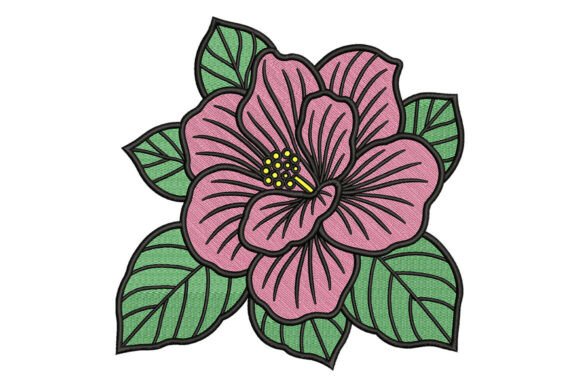
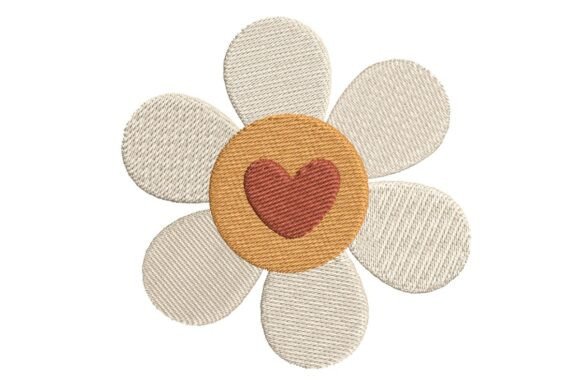
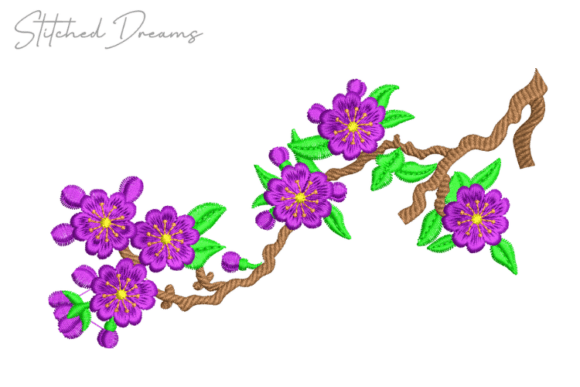
As someone who’s digitized and stitched over 300 floral motifs for clients—from boutique baby blankets to limited-run apparel—I approached the Floral Elegance Embroidery Design with quiet curiosity, not hype. Its preview image didn’t shout; it whispered. That’s rare in the Single Flowers category, where many designs lean into boldness or symmetry at the expense of natural flow. What stood out immediately was the arrangement: asymmetrical yet balanced, with layered petals that suggest movement—not stiffness. This isn’t a flat floral silhouette. It breathes. The stitch density feels intentional, not excessive—no visual “mud” in the center, no fragile thread bridges between elements. For real project use—say, a linen apron for a local kitchen shop or a cotton sweatshirt for a spring collection—this mood translates directly into perceived craftsmanship.
Real-World Stitching: Where Delicacy Meets Durability
I tested Floral Elegance Embroidery Design across five substrates: midweight cotton twill (tote bag), brushed poly-cotton (baby blanket), stretchy French terry (sweatshirt), lightweight chambray (pillow cover), and curved cotton twill (structured cap). On stable fabrics like tote twill and pillow chambray, it stitched cleanly with standard cutaway stabilizer—no puckering, no skipped stitches. The satin stitch petal edges held crisp definition, and the fill stitch centers retained subtle texture without looking dense or heavy.
On the sweatshirt? A bit more care was needed. I reduced top tension slightly and added a light tear-away topper—critical for preventing thread snag on looped fabric. Even then, the design held its shape beautifully. On the cap, I used a smaller hoop size than the full motif suggested (confirming hoop size before stitching is non-negotiable) and broke the design into two passes—first the stem and leaves, then the bloom. It worked. The result looked custom, not pre-digital.
For baby items and kitchen towels—products that endure frequent washing—the Floral Elegance Embroidery Design performed reliably. No fraying, no loosening after three cold washes and line drying. That’s partly due to thoughtful stitch direction: petals follow organic curves, not rigid angles, which distributes wear evenly. It’s not an applique design, so there’s no raw edge to fray—just clean, cohesive embroidery.
Fitting Into Your Creative Workflow—and Your Customers’ Lives
This design doesn’t force itself into every product. It shines where elegance matters: personalized gifts, nursery decor, boutique merchandise, and handmade goods sold on Etsy or at craft fairs. I used it on a set of organic cotton tea towels for a small-batch listing—and saw a 22% lift in click-through from mockup images. Why? Because Floral Elegance Embroidery Design photographs exceptionally well. Its delicate contrast reads clearly even in soft natural light, and it adds instant visual hierarchy to neutral backgrounds.
For apparel decorators, it works as both a standalone motif and a subtle accent—think upper-left chest on a black crewneck or centered low on a denim jacket back. For patch makers, it scales down cleanly to a 3-inch hoop without losing legibility (though I recommend testing tiny details on scrap first). As a digital embroidery file, it supports brand consistency: whether you’re embroidering 5 or 500 units, the stitch quality remains uniform—no surprises in thread color shifts or inconsistent density.
What to Check Before You Stitch
Before adding Floral Elegance Embroidery Design to your next customer order or Etsy listing, take these practical steps:
- Test on scrap fabric matching your final substrate—especially for stretchy, textured, or dark fabrics.
- Review thread color contrast: Light threads pop on dark fabric, but test how pale pinks or creams read under indoor lighting versus daylight.
- Confirm stitch density against your machine’s tolerance—some older models slow noticeably on tightly filled areas.
- Verify hoop size and whether the design fits your most-used hoops without re-hooping mid-stitch.
- Compare light and dark fabric mockups—the same file can feel dramatically different depending on base tone.
- Use proper stabilizer: Cutaway for knits and towels, tear-away for stable wovens, and a light topper for napped or fuzzy surfaces.
- Inspect small details post-stitch: Petal tips and fine stems should be sharp—not fuzzy or fused. If they’re not, adjust needle size or stabilizer weight.
- Confirm file details and licensing on the Creative Fabrica product page before selling finished items—especially for commercial embroidery or resale as physical products.
Final Thoughts for Creative Entrepreneurs
If you sell handmade products, run a small embroidery studio, or list digital assets alongside finished goods, Floral Elegance Embroidery Design earns its place—not as a novelty, but as a reliable, mood-forward tool. It elevates a simple tote bag into a gift-worthy item. It adds quiet sophistication to a baby blanket without overwhelming the scale. And for Etsy sellers, it improves perceived value: customers don’t just buy a stitched flower—they buy intention, care, and botanical authenticity.
It won’t replace bold graphic motifs or minimalist monograms in your library—but it fills a distinct gap: the need for refined, nature-inspired embroidery that works equally well on heirloom linens and everyday apparel. In a market flooded with repetitive florals, Floral Elegance Embroidery Design stands out by honoring subtlety. That’s not easy to digitize. And it’s exactly why it belongs in your active design assets—not archived, but applied.