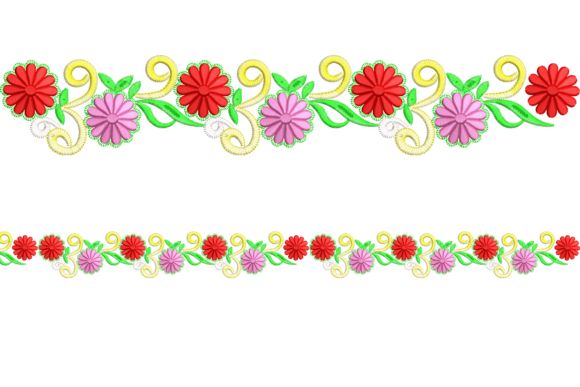
Floral Embroidery Border Review
A Designer’s First Impression: Elegant, Approachable, and Ready for Branding
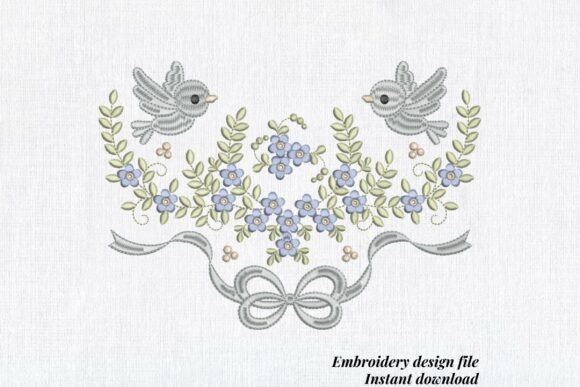
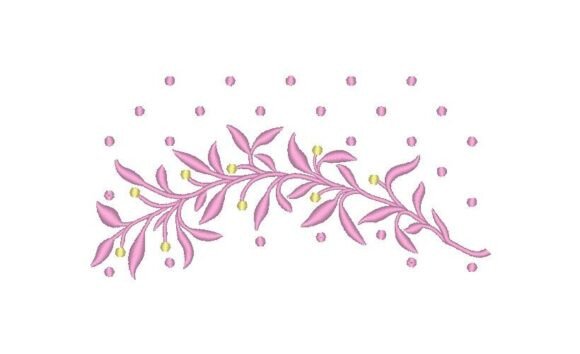
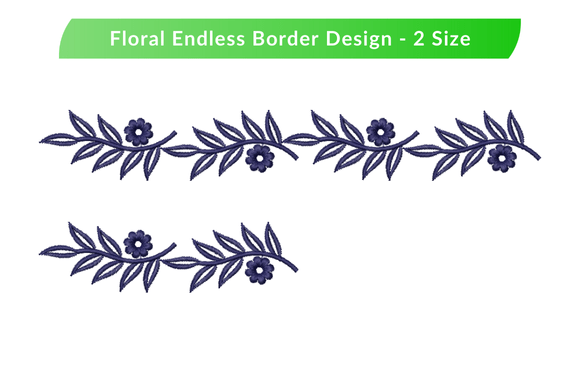
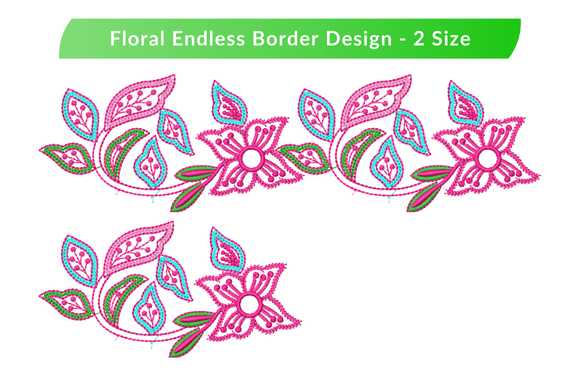
As an embroidery designer who’s developed hundreds of machine embroidery designs for small businesses—from neighborhood bakeries to indie florists—I opened the Floral Embroidery Border collection expecting charm. What I found was more: a cohesive, balanced set of floral motifs that feel simultaneously timeless and fresh. The title and description—“Bring a touch of natural beauty and elegance”—aren’t marketing fluff. This is a design that reads as elegant but not stiff, handmade but not amateurish, and friendly without sacrificing professionalism. That’s rare in border designs, which often tip too far into ornate or overly delicate territory. For a café owner stitching aprons or a boutique curating tote bag collections, this balance is critical—it says “we care about craft” without whispering “we’re trying too hard.”
Where It Shines in Real Small Business Merch
The Floral Embroidery Border isn’t just decorative—it’s functional branding infrastructure. Here’s how it performs across common business applications:
- Embroidered patches: Works beautifully as a framed accent around a business name or logo on sleeve or chest patches—especially for handmade product labels or gift tags.
- Apron embroidery: Ideal along the hem or pocket edge for bakeries, florists, or craft studios. Its rhythm guides the eye without overwhelming the garment’s utility.
- Cap embroidery: When scaled to 2–2.5 inches wide, it wraps cleanly across the front curve of structured caps—no distortion if digitized with gentle arc compensation.
- Tote bag design: Perfect for framing a small logo on the lower corner or wrapping the top edge of a cotton canvas tote. Adds premium texture without competing with printed graphics.
- Staff uniforms & work shirts: Use as a subtle cuff or placket trim—reinforces brand identity while keeping apparel practical and wash-durable.
- Etsy branding & customer gifts: Stitches crisply on linen tea towels, muslin pouches, or fabric gift wrap—elevating perceived value of handmade product packaging.
Where to Proceed With Care
Even elegant borders have limits. As a working designer, I always flag these real-world constraints before production:
- Avoid under 1.75" patch size—delicate petals and fine stems lose definition; consider simplifying or switching to a bolder motif for tiny lapel patches.
- Caps with deep front curves or low-profile crowns may compress outer blooms unless the file includes built-in stretch compensation.
- Textured fabrics (burlap, heavy twill, fleece) require extra stabilizer—test first to prevent puckering or thread breakage in high-stitch-density zones.
- Dark uniforms or black totes demand high-contrast thread colors (e.g., ecru on navy, gold on charcoal); avoid pastels unless your brand palette intentionally leans soft.
- Frequent washing environments (like restaurant aprons) benefit from tighter satin stitches and reinforced underlay—confirm the digital embroidery file includes those refinements.
How It Strengthens Your Brand Identity
A border isn’t just decoration—it’s visual punctuation. The Floral Embroidery Border quietly communicates values: care, craftsmanship, natural authenticity. For a pet brand, it softens clinical associations; for a florist, it extends the sensory experience beyond the bouquet. Customers subconsciously link consistent, well-executed embroidery to trust and attention to detail—key drivers for small business loyalty. Unlike generic clipart borders, this collection feels intentional and curated, reinforcing your brand’s uniqueness without shouting. Used across multiple touchpoints (tote bags + staff aprons + product tags), it builds visual consistency that strengthens recognition—even before someone reads your logo.
Practical Designer Notes Before You Stitch
Before sending the Floral Embroidery Border to production—or sharing it with a client—follow these field-tested steps:
- Test in black and white first. Print a 1:1 mockup to assess proportion, spacing, and flow—color can mask awkward gaps or overcrowding.
- Check small-patch viability. Resize to your smallest intended use (e.g., 1.5" wide) and verify all elements remain legible and balanced.
- Review thread color contrast on your target fabric—not just on screen. A pale pink bloom disappears on heather grey; ivory pops on indigo.
- Inspect spacing between motifs. Borders must repeat seamlessly. Zoom in: are stem connections clean? Does the join look stitched—not patched?
- Confirm hoop size compatibility. Some borders require larger hoops (e.g., 5x7") for full-repeat integrity—verify your machines support it.
- Test on real fabric + stabilizer combo. A design that looks perfect on felt may pucker on lightweight cotton poplin.
- Create a printable mockup for client approval—show it on an apron, cap, and tote side-by-side to demonstrate versatility.
- Compare beside your other design assets. Does it harmonize with your logo, typography, and existing embroidery files—or clash in weight or rhythm?
- Confirm commercial licensing. Since you’re using it for small business merch, ensure the digital embroidery file grants rights for resale, promotional use, and client projects.
Final Thought: More Than a Border—It’s Brand Infrastructure
The Floral Embroidery Border succeeds because it bridges aesthetics and utility. It doesn’t shout—it invites. It doesn’t decorate—it defines. Whether you’re an embroidery shop digitizing for local boutiques or a handmade brand stitching your own line, this collection earns its place in your core design assets. It’s not filler. It’s finish. And in small business merch, that finish is where customers decide whether your product feels like a commodity—or something thoughtfully made, just for them.